Trek Charge WaveCel Helmet Review


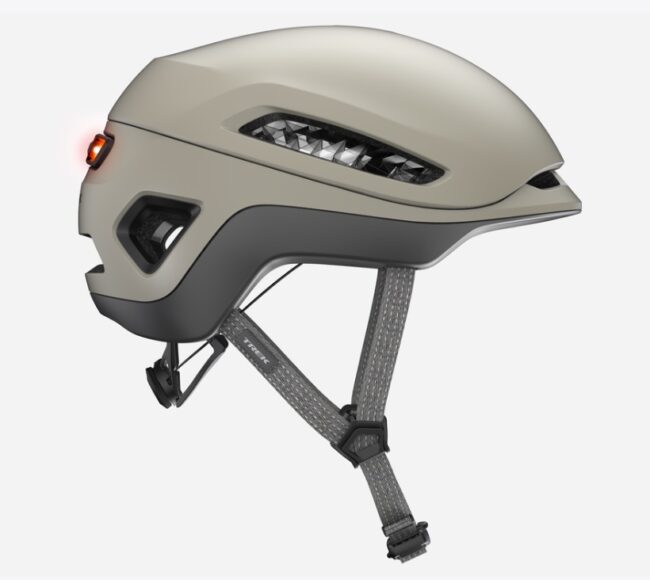
Price: $174.99
Sizes: S (51-57 cm), M (54-60 cm), L (58-63 cm)
Colors: Dark Web, Tan/Grey
# of Vents: 9
Safety/Protection Technology: WaveCel
Fit System: BOA with micro-adjustability with a single rear dial
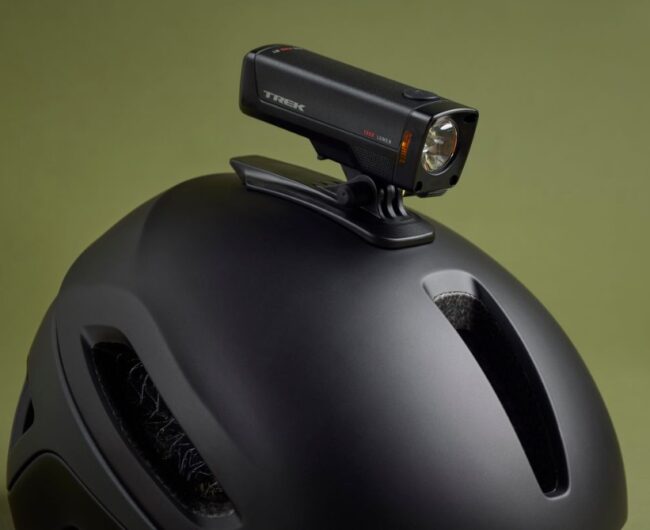
Light Integration: Removable, magnetic, and rechargeable rear Flare light with four flash patterns—Blendr magnetic mount for front-facing light or GoPro.
Weight: Per the company’s specs: S (340g), M (370g), L (420g). My small helmet weighed 370g without the Flare light or front Blendr mount.
Availability: Online and retail
How Obtained: Company sample
RBR Advertiser: No
Everything You Could Want in a Commuter Helmet
Visibility, protection, and comfort are the three key features of Trek’s new Charge WaveCel helmet, launched last month. Visibility is a cyclist’s top concern when riding in traffic. This redesigned model comes standard with a removable, rechargeable Trek Flare rear light that helps drivers see you up to 400 meters away during the day and lasts up to 10 hours (depending on mode). With four flash modes – high, low, daytime flash, and nighttime flash – you select the light’s lumens and runtime.
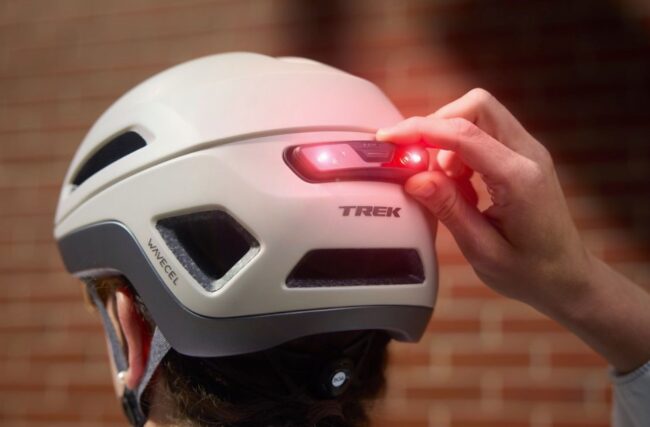
The light magnetically attaches to the back of the helmet and can be easily removed for charging via USB-C in under 90 minutes. The Charge helmet also includes a magnetic front Blendr mount that attaches to the top of the helmet. You can mount a front-facing white light for added visibility to oncoming traffic or attach a GoPro to capture your ride.
For protecting your head, the Charge helmet uses the lighter, cooler WaveCel version to reduce rotational acceleration on impact, plus the BOA Fit System with four position adjustments. However, I found this helmet better suited to a round head than a narrow one. With my narrow face, the helmet had some movement, but when a friend with a round head put it on, it felt much more secure.
The Charge WaveCel helmet is ideal for e-bike commuters, earning a four-star rating from Virginia Tech. It’s also NTA-8776 certified under the Dutch standard for e-bike use at speeds up to 28 mph. What the heck does NTA 8776 certification for a helmet mean? First, the helmet has been tested for faster collision speeds than a traditional bike helmet. Second, it has about 10% more head coverage than a standard helmet. This coverage is in critical areas of the head, including the temples and back of the skull.
Since I never used the previous version of this helmet, I can’t verify the company’s claims. However, according to Trek, the new Charge WaveCel is 50 grams lighter (a 13% weight reduction) and 150% more ventilated. The weight reduction and increased ventilation come primarily from the company incorporating a new version of WaveCel.
While the Trek website states the size small helmet weighs 340 grams, my scale shows the helmet alone weighs 370 grams; add the Flare rear light and the total is 395 grams. With the Flare rear light and the Blendr mount (without a light or GoPro attached), the helmet comes in at 439 grams.
Some other features of the Trek Charge WaveCel include a rear vent large enough to pass a bike lock through, a FIDLOCK magnetic buckle, and adjustable side straps.
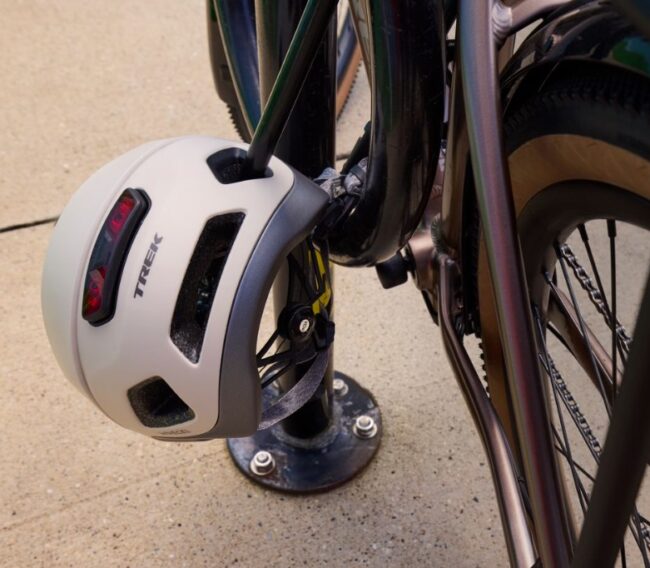
I have a few recommendations for a future model of Trek’s Charge WaveCel: offer the helmet in a few more colors, consider narrow head shapes, and increase the brim size. The current brim offers little protection from sun or rain, and most commuters ride in all types of weather.
Bottom Line
Trek made some valid improvements to its latest commuter helmet, the Charger WaveCel. The combination of safety features and comfort makes it a helmet worth considering, especially if you ride an eBike.
Sheri Rosenbaum regularly contributes articles and reviews products for RBR. She’s an avid recreational roadie who lives in the Chicago area and a major advocate for women’s cycling, serving on the board of directors and volunteering with the Dare2tri Paratriathlon Club. Click to read Sheri’s full bio or visit her web site sunflowersandpedals.com.